
In today’s world, scientific associations, as voluntary and authoritative scientific institutions, play an unparalleled role in advancing scientific, economic, and social objectives. These institutions, by bringing together experts and specialists, provide a platform for knowledge production, technology transfer, and offering scientific solutions to national challenges. In Iran as well, despite numerous challenges, scientific associations have managed to achieve effective results in areas such as energy, environment, information technology, and business management; however, their position in decision-making and policymaking processes has not yet been fully established.
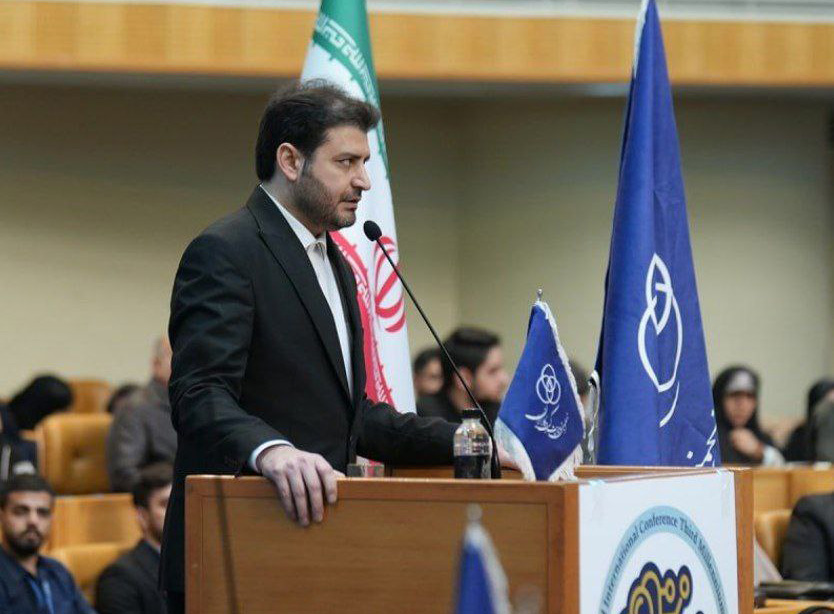
The Secretary General of the Iranian Business Management Association and a board member of the Council of Scientific Associations of the country, referring to the key role of scientific associations in developed countries, stated: these institutions are not only centers of knowledge production but also act as advisors to policymakers and industries. For instance, in the United States, associations such as the American Association for the Advancement of Science (AAAS) have a significant influence on scientific and technological policymaking.
He added: in Iran, approximately 400 registered scientific associations operate under the supervision of the Ministry of Science, Research, and Technology, which, despite financial and structural limitations, have achieved notable outcomes in areas including renewable energy, nanotechnology, and business management. However, compared to countries such as Germany, the United States, and Japan, scientific associations in Iran face more serious challenges regarding financial resources and institutional support.
The Secretary General of the Iranian Business Management Association, appreciating the approach of the 14th government in supporting scientific organizations, stated: recent meetings of senior government officials with the board members of the Council of Scientific Associations and association representatives demonstrate the government’s determination to leverage the capacities of these institutions and can pave the way for a fundamental transformation in the role of scientific associations in Iran’s economy and society.
He emphasized: scientific associations can contribute to solving major national challenges in areas such as environment, energy, technology, and business management by providing scientific and data-driven solutions.
Finally, four fundamental strategies were proposed to strengthen the role of scientific associations in the country: increasing financial and institutional support, direct participation of associations in macro-level policymaking, developing international collaborations, and raising public awareness regarding the role and position of scientific associations.